
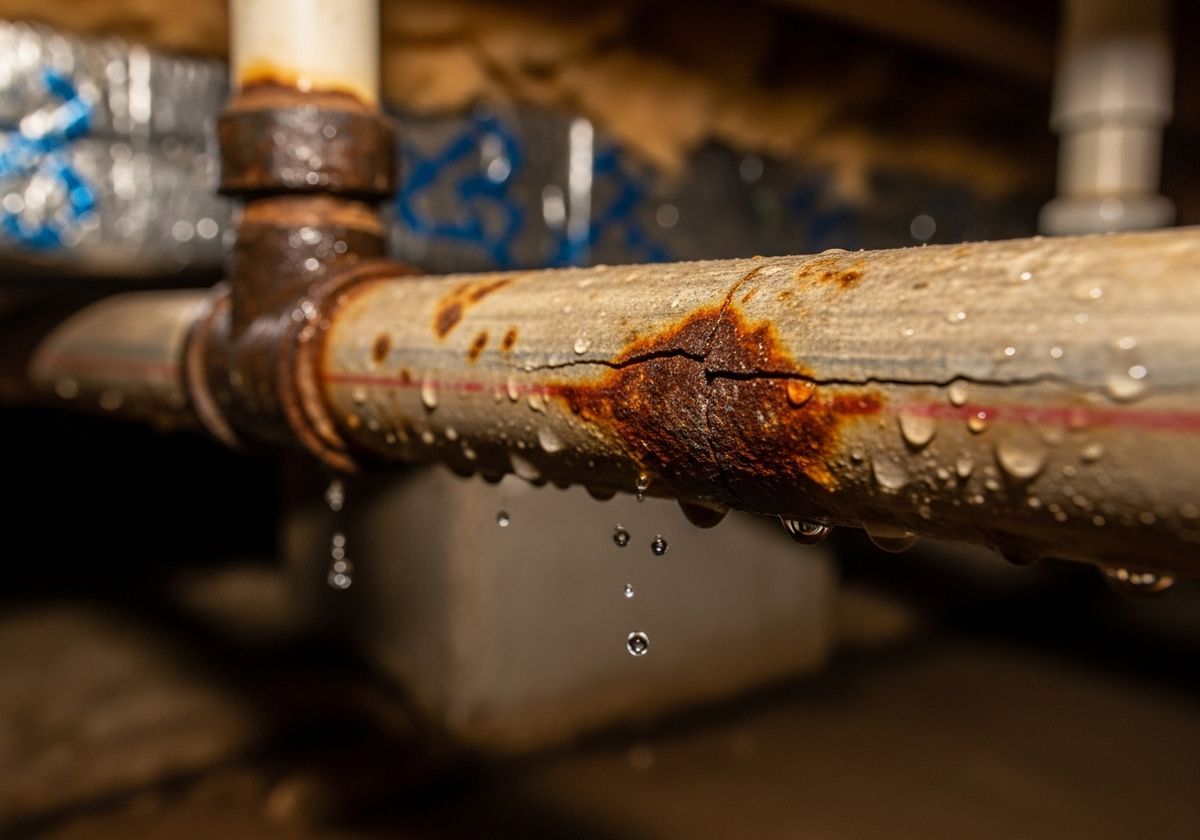
As the seasons transition in Kansas City, our pipes face a unique challenge: the freeze-thaw cycle. This constant fluctuation in temperature can wreak havoc on aging plumbing systems, leading to costly repairs and unexpected headaches for homeowners. Understanding how these cycles affect your pipes is the first step in preventing potential damage.
The Science Behind the Freeze-Thaw Cycle
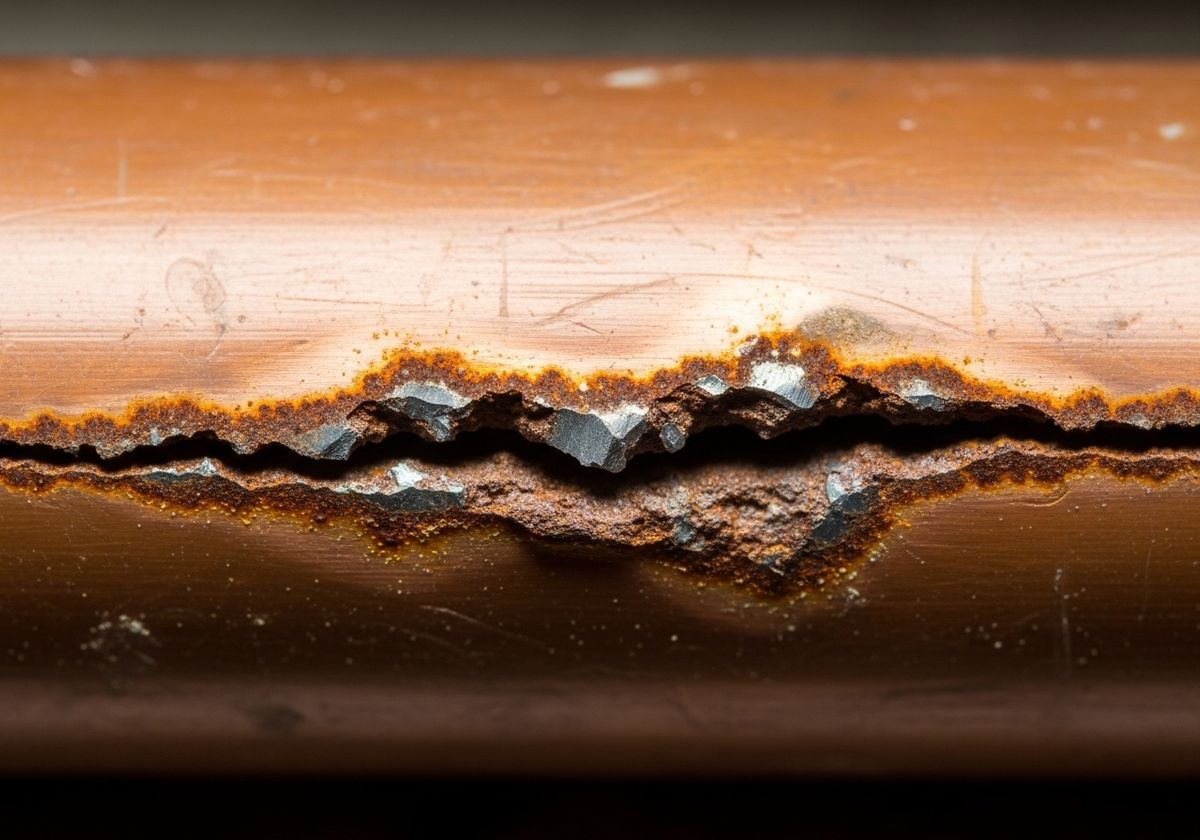
Water expands when it freezes. When temperatures drop below freezing, the water inside your pipes turns to ice, increasing its volume. This expansion puts immense pressure on the pipe walls. As temperatures rise again, the ice melts, and the pressure is released. However, repeated cycles of freezing and thawing can weaken the pipe material over time, leading to cracks, leaks, and eventually, bursts.
Why Aging Pipes Are More Vulnerable
Pipes, especially those in older homes, are more susceptible to damage from freeze-thaw cycles due to:
Material Degradation: Over time, pipe materials like cast iron or galvanized steel can corrode and weaken, making them less able to withstand the pressure from freezing water.
Existing Cracks and Weak Spots: Minor cracks or weak spots that may already be present in aging pipes can be exacerbated by the expansion and contraction caused by freeze-thaw cycles.
Inadequate Insulation: Older homes may have insufficient insulation around pipes, especially in vulnerable areas like basements, crawl spaces, and exterior walls. This lack of insulation allows pipes to get colder, increasing the risk of freezing.
Identifying Potential Problems
Keep an eye out for these warning signs that your pipes may be suffering from freeze-thaw damage:
Decreased Water Pressure: A sudden drop in water pressure could indicate a leak or blockage caused by a damaged pipe.
Visible Leaks: Check under sinks, around toilets, and in your basement for any signs of water leakage.
Discolored Water: Rusty or discolored water can be a sign of corrosion inside your pipes.
Unusual Noises: Gurgling or banging sounds coming from your pipes could indicate trapped air or water pressure issues.
Protecting Your Pipes
Here are some proactive steps you can take to protect your pipes from freeze-thaw damage:
Insulate Exposed Pipes: Wrap exposed pipes in basements, crawl spaces, and attics with foam or fiberglass pipe insulation.
Seal Air Leaks: Seal any cracks or openings in your home's foundation and exterior walls to prevent cold air from reaching your pipes.
Let Faucets Drip: On extremely cold nights, let faucets drip slightly to keep water moving through the pipes and prevent freezing.
Open Cabinet Doors: Open cabinet doors under sinks to allow warm air to circulate around the pipes.
Consider a Smart Thermostat: Use a smart thermostat to maintain a consistent temperature in your home, even when you're away.
When to Call a Professional
While preventative measures are a great first line of defense, Missouri's extreme winter weather can sometimes overpower even the best preparation. You should contact a professional immediately if:
Nothing Comes Out of the Tap: If you turn on your faucet on a freezing morning and only a trickle—or nothing at all—comes out, your pipe is likely frozen solid. Do not attempt to thaw it with an open flame.
You Find a Burst Pipe: If a pipe has already cracked and is actively leaking, shut off your main water valve immediately to prevent further flooding and call for emergency repair.
You Notice Structural Water Damage: Unexplained damp drywall, peeling paint, or a sudden, severe spike in your monthly water bill often points to a hidden pipe that has succumbed to the freeze-thaw cycle behind your walls or under your foundation.

Protect Your Home with Pederson’s Plumbing
Dealing with aging infrastructure and freezing weather is a stressful combination, but you don't have to face it alone. When a pipe fails, you need fast, reliable help from the best plumber in Kansas City to minimize water damage and restore your home's safety.
At Pederson’s Plumbing, we understand exactly how local freeze-thaw cycles impact older plumbing systems. Whether you need emergency burst pipe repair, professional pipe insulation, or a complete repipe to replace failing galvanized steel, we provide top-tier Kansas City plumbing services you can depend on. We will expertly diagnose weak spots in your system and implement long-lasting solutions to keep your water flowing safely, no matter what the thermometer says.