
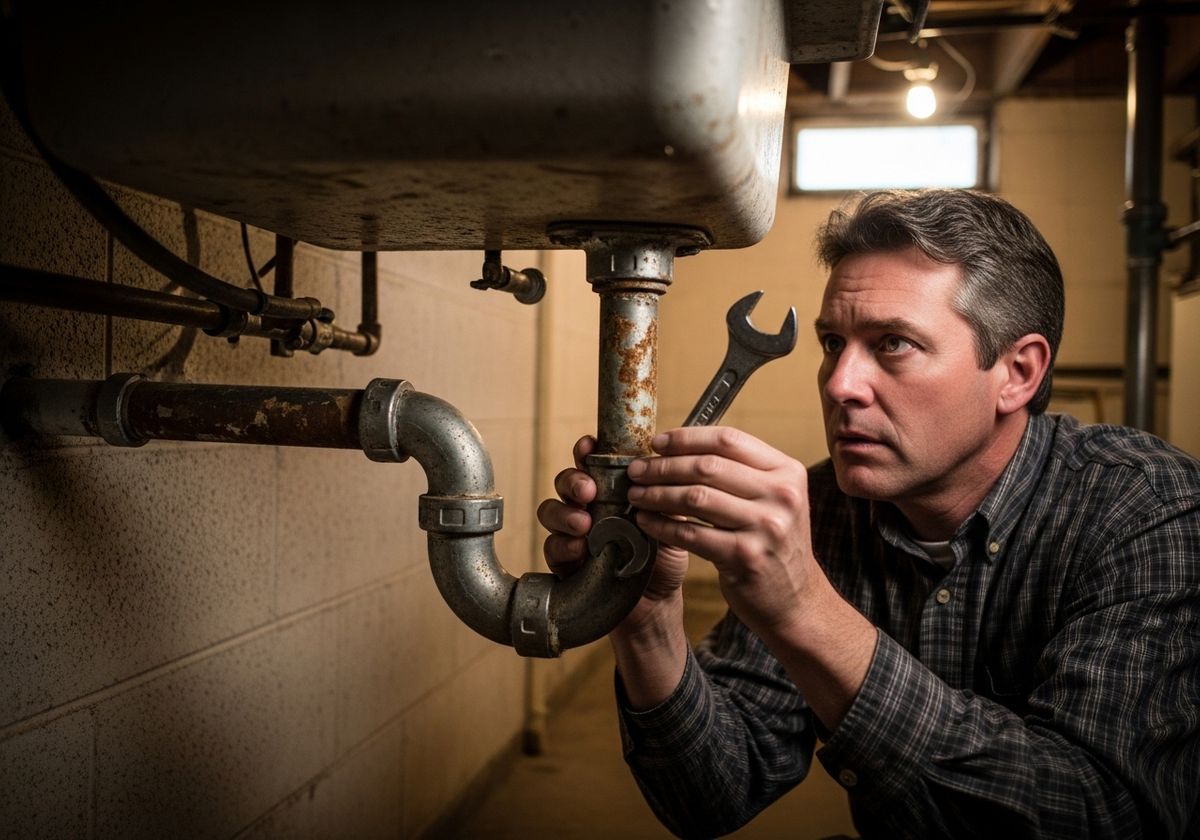
Plumbing systems are essential to any home, but not all pipes are created equal. If you live in an older home in Smithville, MO, you might have polybutylene or galvanized pipes. While these materials were common in the past, they both come with potential issues that could affect your home's plumbing system. Let's explore what you need to know.
Polybutylene Pipes: A Potential Problem
Polybutylene pipes, often gray, black, or blue, were widely used from the late 1970s through the mid-1990s. Unfortunately, they're prone to degradation when exposed to disinfectants commonly found in municipal water supplies. This can lead to leaks and even bursts, causing significant water damage. If your home has polybutylene pipes, it's wise to consider replacing them as a preventative measure.
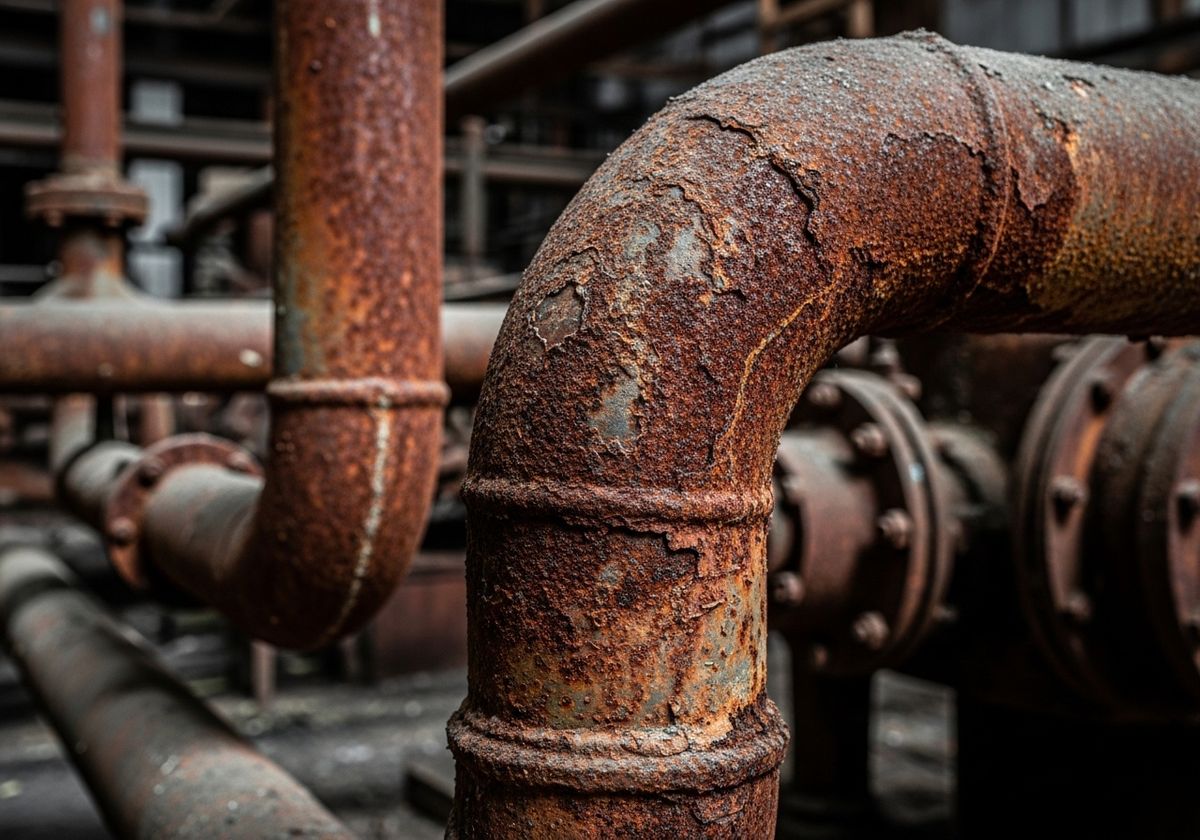
Galvanized Pipes: Rust and Corrosion
Galvanized pipes, on the other hand, are steel pipes coated with zinc to prevent rusting. While they were a standard for many years, the zinc coating can wear away over time, leading to corrosion and a buildup of rust inside the pipe. This can reduce water flow and water pressure and potentially contaminate your water supply. If your Smithville home was built before the 1970s, there's a chance you have galvanized pipes.
Identifying the Pipes in Your Home
Not sure what type of pipes you have? Here are a few ways to find out:
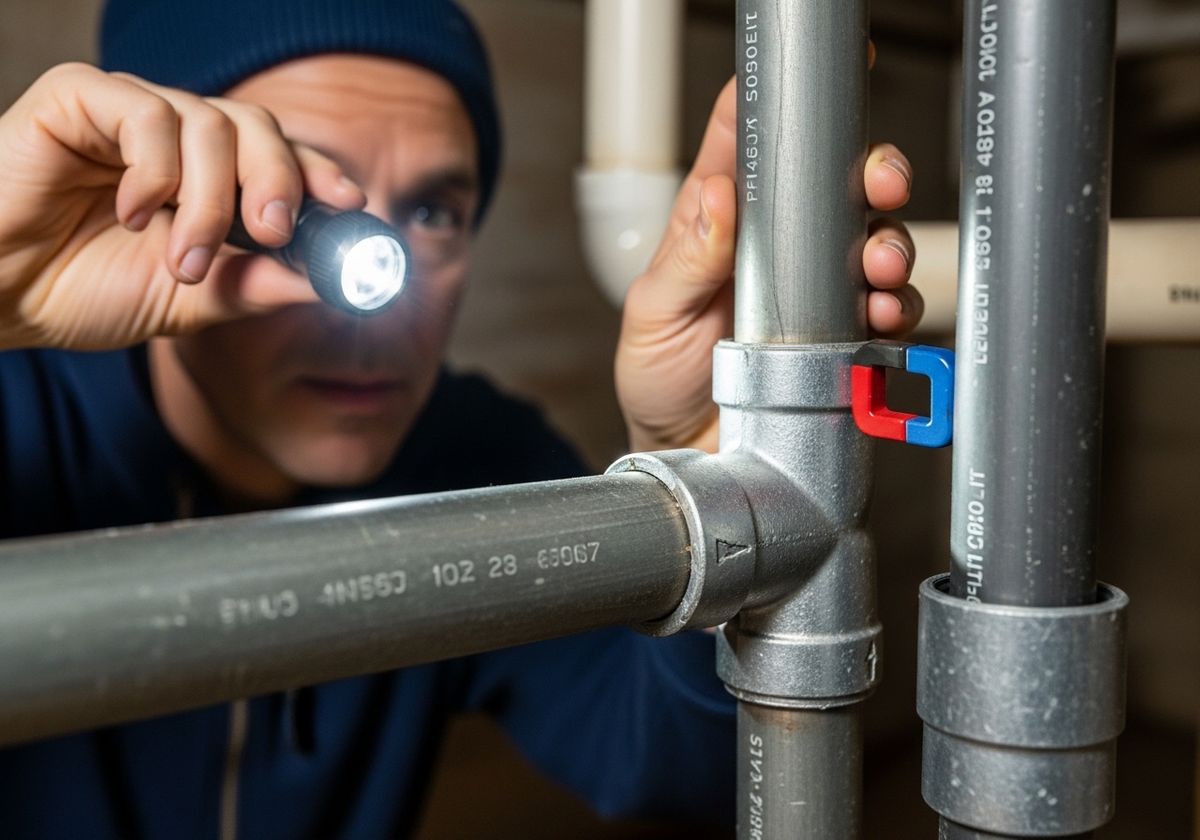
Visual Inspection: Check exposed pipes in your basement, crawl space, or under sinks. Polybutylene pipes are often stamped with "PB," while galvanized pipes have a dull gray, metallic appearance.
Magnet Test: Galvanized pipes are made of steel, so a magnet will stick to them. Polybutylene pipes are plastic, so a magnet won't adhere.
Professional Inspection: If you're unsure, the best course of action is to call a licensed plumber for an inspection. They can accurately identify the type of pipes you have and assess their condition.
What to Do If You Have Polybutylene or Galvanized Pipes
If you suspect you have either of these types of pipes, it's essential to take action. Ignoring the issue could lead to costly repairs down the road. Here are some steps you can take:
Schedule an Inspection: Have a qualified plumber assess the condition of your pipes and provide recommendations.
Consider Replacement: Depending on the age and condition of your pipes, repiping your home with copper or PEX may be the best long-term solution.
Monitor for Leaks: Keep an eye out for any signs of leaks, such as water stains, dripping faucets, or unusually high water bills.
Understanding the type of pipes in your Smithville home is crucial for maintaining a healthy plumbing system. Being proactive and addressing potential issues early on can save you from costly repairs and water damage in the future. If you're concerned about the pipes in your home, don't hesitate to reach out to Pederson's Plumbing, the best plumber in Kansas City. We're your one-stop solution for all your residential and commercial plumbing needs in the Kansas City metro area! With over 35 years of experience providing Kansas City plumbing services, we can help you determine the type and condition of your pipes and offer the best solutions for your situation. Contact us today for an inspection or to learn more about our repiping services!